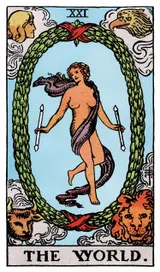
The Hierophant Tarot Card Meaning
The Hierophant is a Tarot card about tradition, teaching, shared values, ritual, and guidance from an established path. In a reading, it describes an energy, choice, pattern, or invitation that can help you understand the situation in front of you. Its message becomes most useful when you connect the symbolism to a specific question instead of treating the card as a fixed prediction.
The Hierophant Upright Meaning
When The Hierophant appears upright, it highlights learning through a trusted framework, ethical commitment, and meaningful community. This does not always mean that events will be effortless. It shows the clearest, most available expression of the card and asks you to work with that energy consciously. Notice what is beginning, what is becoming visible, and what your actions are making possible.
The Hierophant Reversed Meaning
When The Hierophant appears reversed, the same theme may be blocked, exaggerated, delayed, or turned inward. This can show questioning inherited rules, rejecting conformity, or following a belief system that no longer fits. A reversed card is not automatically negative; it often points to the adjustment that will help the upright lesson become more honest and sustainable.
The Hierophant in Love and Relationships
In love, this card asks you to pay attention to trust, communication, boundaries, and emotional reciprocity. Before making a major emotional decision, ask what the card is showing about your needs and willingness to meet the other person in reality.
The Hierophant in Career and Money
In career and money, this card points to clear priorities, practical resources, and responsible action. For a career question, combine its message with the facts: responsibilities, timing, agreements, and the next measurable step.
The Hierophant as Advice
As advice, use this card as a prompt to act with awareness and integrity. Let the message become one small action you can take today; a grounded Tarot reading helps you notice where your agency is strongest.
The Hierophant Yes or No Meaning
For a focused yes-or-no question, The Hierophant asks you to weigh its upright lesson against the facts of the situation. The answer depends on the question, the card’s orientation, and the context around it. If the card feels unclear, refine the question before asking for a final yes or no.
The Hierophant in the Image
The Hierophant sits between two pillars beneath a canopy, raising one hand in blessing while the other holds a staff. The crossed keys at his feet represent access to knowledge that is shared through teaching, ritual, and community. The two figures before him remind us that wisdom becomes meaningful when it can be practiced, not merely admired. This card can therefore point to tradition, religion, education, marriage, institutions, mentors, and systems of belief. It also asks whether the tradition you are following still serves the life you are actually living.
The Hierophant as a Person or Life Pattern
As a person, The Hierophant may be a teacher, counselor, elder, spiritual guide, institution-builder, or someone who values a reliable framework. In balance, this energy gives belonging, ethical guidance, and a language for shared values. In shadow, it can become dogma, gatekeeping, conformity, or obedience without understanding. If the card describes you, distinguish respect for wisdom from surrendering your judgment to authority.
A Deeper Upright Reading
Upright, The Hierophant favors learning from a trusted source and making commitments that are understood by everyone involved. In love, it can indicate a serious relationship, shared values, family involvement, marriage, or the desire for a recognized commitment. It can also ask a couple to discuss beliefs, roles, and expectations before moving forward. In career, it supports formal training, certification, established organizations, and mentorship. For money, use conventional safeguards, professional advice, and clear documentation. The card says that a good framework can shorten the learning curve.
A Deeper Reversed Reading
Reversed, The Hierophant may show conflict with tradition, pressure to conform, a teacher whose authority is misused, or a need to design a path that is more authentic. In love, outside expectations may be shaping the relationship more than the people inside it. At work, outdated rules or bureaucracy can block useful innovation. Financially, be wary of advice that depends on status, certainty, or blind trust. Rebellion alone is not the answer; identify the value beneath the rule, then decide whether the current form still expresses it.
Reflection Questions
- Which belief or tradition is genuinely supporting my life?
- Am I seeking guidance, or avoiding responsibility for my own decision?
- What shared values need to be spoken clearly in this relationship or team?
- What can I learn from an experienced person without giving away my discernment?
The Hierophant reminds you that wisdom can be inherited, taught, and tested. A framework is most alive when it helps people become more ethical, capable, and free.
Frequently Asked Questions
What does The Hierophant mean in Tarot?
The Hierophant represents tradition, teaching, shared values, ritual, and guidance from an established path. Its exact message depends on the question, position, surrounding cards, and whether it appears upright or reversed.
What does The Hierophant mean upright?
Upright, The Hierophant highlights learning through a trusted framework, ethical commitment, and meaningful community. It encourages you to engage with this energy deliberately and with clear awareness.
What does The Hierophant mean reversed?
Reversed, The Hierophant may show questioning inherited rules, rejecting conformity, or following a belief system that no longer fits. Treat it as guidance for adjustment, not a fixed negative outcome.
Note: Tarot is a reflective tool, not a substitute for medical, financial or legal advice. Use the card as a prompt for awareness and make your own grounded decisions.
Want a personal reading?
The meaning of a card changes with your question, context and the cards around it.
More Major Arcana cards
Explore the Major Arcana to understand the larger lessons, turning points and archetypal forces in a Tarot reading.